Precision Filtration and Separation Using Stainless Steel Mesh Filters
Release time:2026-01-29 Click:19
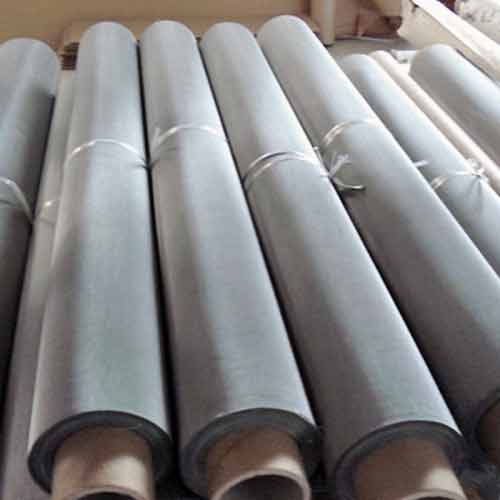
Stainless steel mesh filters are highly durable and versatile screening devices used to separate solids from liquids or gases across a vast range of industries. Woven from 304 or 316 stainless steel wires into precise mesh counts, these filters offer excellent resistance to corrosion, heat, and pressure. The mesh count, wire diameter, and weave pattern (plain, twilled, or Dutch) determine the filtration rating, which can range from coarse sieving to fine micron-level separation. Their robust construction makes them ideal for demanding applications in chemical processing, food and beverage production, water treatment, pharmaceuticals, and hydraulic systems.
The primary advantage of stainless steel mesh lies in its material properties. The chromium content forms a passive oxide layer, making the filter resistant to rust and chemical attack, thereby ensuring product purity and preventing contamination. It can be repeatedly cleaned through backwashing, ultrasonic cleaning, or heat sterilization without degrading, offering a sustainable and cost-effective alternative to disposable filter media. The filters can be fabricated into various forms, including flat sheets, disc filters, basket strainers, cylindrical cartridges, and custom-shaped inserts to fit specific equipment.
Design and selection of a stainless steel mesh filter require careful analysis of the application. Factors such as flow rate, operating pressure and temperature, viscosity of the fluid, and the size and nature of the particles to be removed must all be considered. The filter housing or support structure must be equally robust to handle the differential pressure across the mesh. For high-precision applications, multiple layers of mesh with different weaves can be sintered or laminated together to create a depth filtration effect, capturing particles throughout the cross-section rather than just on the surface.
Installation and maintenance are straightforward but critical for optimal performance. Filters must be correctly seated and sealed within their housing to prevent bypass. Regular monitoring of pressure drop indicates the level of particulate buildup; a significant increase signals the need for cleaning or replacement. Despite their durability, physical damage from improper handling or excessive pressure can deform the mesh. As a cornerstone of process integrity, stainless steel mesh filters provide reliable, long-term performance, safeguarding equipment and ensuring the quality of the final product in countless industrial and manufacturing processes.
Previous article:Ensuring Corrosion Resistance with Epoxy Coated Mesh
Next article:Pest Control and Distillation Using Versatile Copper Mesh
Hot products
Mobile: +86 13292822131
Email:metalproducts2023@163.com
Email:634049339@qq.com